The short answer
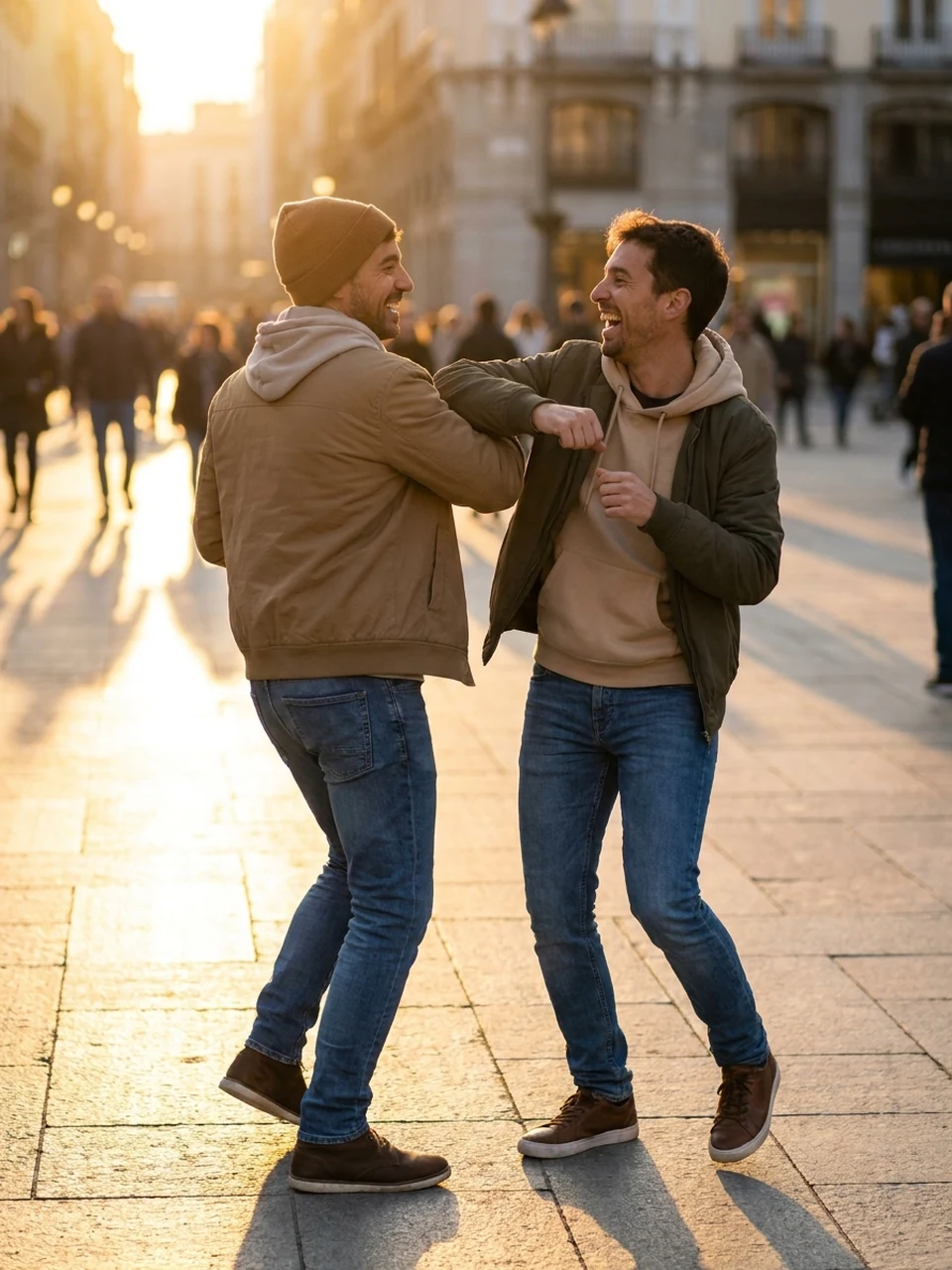
Dame hombro means give me the shoulder in Spanish. It is a direct, playful command. One person asks; the other turns and offers a shoulder. The move is small enough to repeat, which is why it became a format rather than a single clip.
The trend is the combination of the phrase, the Bulin 47 and Kevin Wai track, and the shoulder-turn move. The AI version keeps the move and replaces the performer with a face from a photo. That is the part this site is built for.
A word-by-word translation
Dame is the familiar imperative of dar, to give, in the second person singular. Hombro is shoulder. Together they read as give me the shoulder. In context, it is closer to come here and turn or give me your shoulder than to a medical instruction.
The phrase is not a standard idiom with a hidden meaning. Its force comes from the physical request. That is why the dance reads without a translation: the words and the movement say the same thing. If you only needed the meaning, that is the whole answer.
Where the sound came from
The track is by Bulin 47 and Kevin Wai. The hook turns the phrase into a cue, and the cue turns into a two-step and a shoulder turn. The song did not invent the shoulder move, but it gave the move a repeatable audio signature.
This tool does not include or license the song. Every generated clip has its own audio track. If you want the original song in a post, you need to add it in an editor and make sure you have the rights for the platform where you publish.
Why the format spread
The move is easy to copy. It needs no floor space, no partner skills and no special costume. The phrase is short enough to remember. The clip is short enough to loop. Those are the conditions for a dance format that travels across languages.
The second condition is identity. Once the move was recognisable, people could put anyone into it: a friend, a character, a couple, a pet-adjacent joke. The AI wave did not create the trend; it removed the last barrier, which was filming yourself doing the move.
The move, step by step
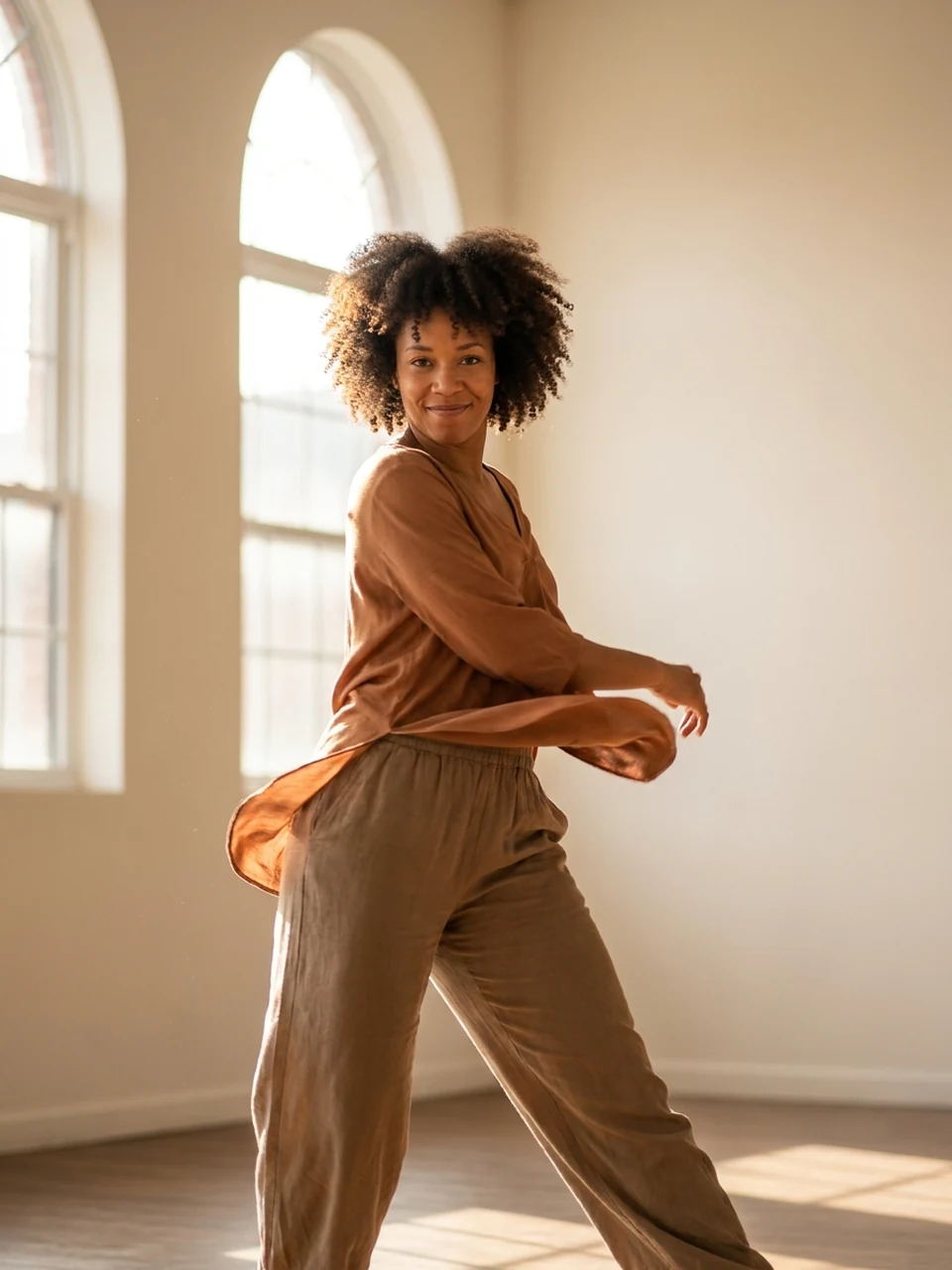
Face a partner or the camera. On the first beat, angle one shoulder forward and make the request. On the turn, rotate the upper body and offer the other shoulder. Keep the feet moving in a small two-step so the turn has a base.
The attitude matters more than the precision. The move is a joke, an invitation and a small challenge at the same time. A careful performance with no playfulness reads flatter than an imperfect one with a smile.
If you want to learn it yourself, practise the turn in a mirror before you film. Say the phrase out loud, turn your upper body, and let the shoulder lead. The feet only need a small two-step; the joke lives in the turn and the eye contact, not in a complicated foot pattern.
The AI wave, without the hype
An AI version is not a deepfake of the original performers. It is a prepared reference performance with a new face and, optionally, a new outfit. The model tries to keep the face recognisable while following the reference motion. It is closer to a visual costume than to a clone.
That distinction matters for consent. Using a public figure or a private person without permission is not a creative shortcut. The tool asks you to confirm that everyone shown is an adult and that you have permission. Take that seriously.
How to make your own version
Choose solo or duet. Upload one clear photo per performer. Pick Face and hair if you want the source outfit, or Whole appearance if you want your own. Add a short direction only if there is a detail you need to protect. Preview the result, then decide whether to pay for the full clip.
The free preview is four seconds and watermarked. The paid clip is eight seconds, 720p and downloadable. A standard render uses 30 credits; one-time packs start at $9.90. If a render fails, the credits return automatically.
What comes next
Trends fade, but the workflow does not. The useful skill is learning which photo, which scene and which direction produce a result you would post. That skill transfers to the next dance, the next template and the next platform.
If you are here because you saw a clip and wanted to understand it, the meaning is the short answer above. If you are here because you want to make one, the studio is the next step. You do not need to know the whole history to make a good eight-second video.