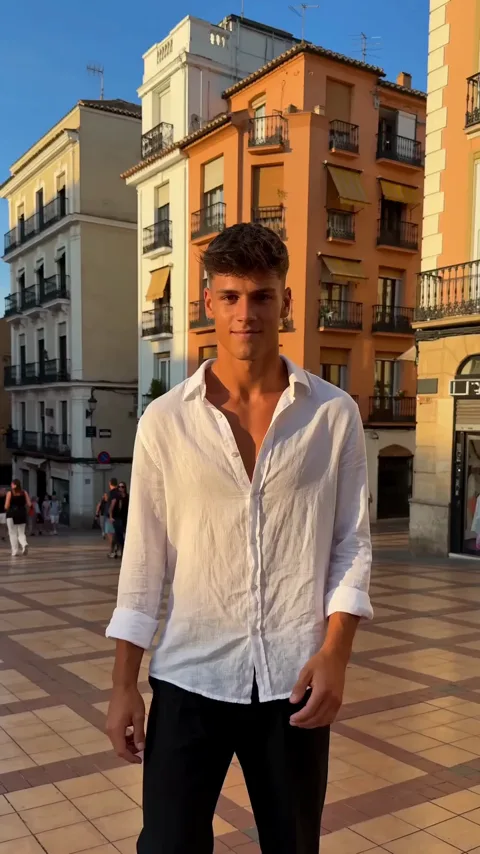
What Is the Dame Hombro Trend? Origin, Meaning and Memes
Where the Dame Hombro clip came from, who started the shoulder-dance trend, how AI face swipes became its second wave, and what the phrase means to creators.
Dame Hombro AI editorial team · Updated October 8, 2026
The Short Answer
The Dame Hombro trend is a viral dance format that began in October 2026 and spread from a short street improvisation into one of the most copied clips on the internet. The phrase means "give me the shoulder", and the clip turns that one line into a simple, repeatable move that anyone can film in a few seconds.
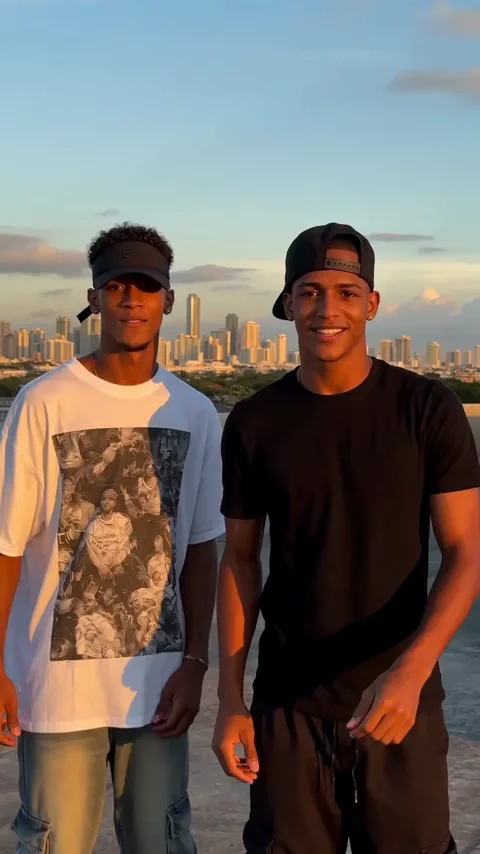
If you have seen the same dance performed by wildly different characters, you have seen both waves of the trend: the original human clips, and the AI swaps that let anyone place a face of their choosing into the same freestyle.
Where It Started
The trend traces back to two people. Bulin 47, a Dominican artist working in the dembow sound that has driven much of the region's recent music, and Kevin Wai, a content creator, are credited with the moment that started it: a street improvisation in Spain where the line "dame hombro, pah" and the matching shoulder move were performed for the camera. It was not a studio production or a planned campaign, but a casual exchange filmed outdoors, which is part of why it reads as something anyone could join.
The phrase did the heavy lifting. "Dame hombro" is a plain, physical instruction, and the "pah" that follows it works as a punctuation mark, giving the move a beat to land on. Short lines with a built-in rhythm travel well because they survive being misheard, translated, or shouted across a room, and this one survives all three.
Why the Clip Spread
Dance trends usually spread for one of two reasons: the move is difficult and impressive, or it is simple enough that almost anyone can copy it on the first attempt. Dame Hombro belongs firmly to the second group. The shoulder movement can be performed standing still, in a small space, with no props, and no partner, which removes nearly every barrier that normally slows a trend down.
The format is also unusually friendly to remixing. Because the original clip is short and the move is clearly defined, people can film their own version in one take and compare it directly with the original. That comparison is what turns a dance into a challenge.
The Challenge Format
The trend spread as an explicit challenge under the #DameHombroChallenge tag, so that versions could be collected in one place. The challenge framing did two things at once. It gave people a reason to post their own attempt rather than only watch, and it gave the trend a shared name, which made new versions easier to find.
Challenges also create a natural ladder. The first wave is imitation: copy the move as well as you can. The second wave is variation: change who performs it, where it happens, or what the camera does. Most trends burn out between those stages, but this one moved into variation quickly because the move was so easy to reproduce.
The Second Wave: AI Character Swaps
That variation stage is where AI character swaps arrived. Instead of filming yourself, you upload a photo and the tool animates that person performing the same shoulder-dance freestyle, returning a short vertical clip that fits the trend's shape. The same scene can then be filled with a different face in minutes, which is exactly the kind of variation a challenge rewards.
This is the point where a dance clip becomes a tool rather than a performance. The move stays constant, and the person becomes the variable. You can read more about the wording that works in these requests in our guide to Dame Hombro AI prompts.
What the Format Teaches a Creator
If you want a version that fits the trend rather than fighting it, the table below maps what the original does to what your clip should do.
| Element | In the trend | What it means for your clip |
|---|---|---|
| Length | A few seconds, looped | Keep it to the 8-second vertical clip you get |
| Framing | Vertical, waist up, phone shot | Leave headroom and keep the subject centered |
| Move | One clear shoulder action | Let the dance read rather than adding more |
| Rhythm | The line lands on a beat | Line your edit up with the audio you add |
| Cast | One performer, sometimes two | Use one photo, or two for the duet scene |
None of those elements are complicated, and that is the point: the trend strips a performance down to one recognisable action in a frame that fits a phone screen.
How to Make Your Own Version
Making a clip of your own is a short process, and it helps to treat it as a sequence rather than a single step.
- Sign up with an email address, then claim the check-in reward in the account pop-up.
- Choose one clear photo of the person you are putting into the scene, or two for the duet.
- Write a short prompt naming the setting, the action, and the camera distance.
- Submit a single job and wait a few minutes while it renders.
- Download the finished vertical MP4 from your account.
- Add the audio in the app where you plan to publish, since you choose that music yourself.
- Post it as your version of the trend and credit the original creators.
Two details matter before you start. Only one job runs per account at a time, so submit your clip and let it finish rather than queuing several. And if a job fails, the credits it consumed are refunded, so a rejected attempt does not cost you a video. The credit system itself is explained in our guide to Dame Hombro AI cost.
Independence and Rights
One thing deserves to be stated plainly. Dame Hombro AI is an independent product and is not affiliated with, endorsed by, or licensed by Bulin 47, Kevin Wai, any record label, or any social platform. The tool does not give you any rights in the original clip, the music, or the phrase, and posting a version of the trend is something you do under the rules of whichever platform you publish on.
The same applies to the people in your clip. Upload a photo of yourself, or of an adult who has agreed to appear, and keep that agreement if anyone asks later. Our privacy and consent guide sets out the full picture, and the about page explains who we are.
FAQ
Who started the Dame Hombro trend?
It is credited to Bulin 47 and the content creator Kevin Wai, whose October 2026 street improvisation in Spain introduced the line and the shoulder move that the challenge copies.
What does "dame hombro" mean?
It means "give me the shoulder" in Spanish. The phrase accompanies the dance move and acts as a call for the performer to turn and offer the shoulder.
Why do I see famous faces in the dance?
Those are AI character swaps, the trend's second wave. People upload a photo and the tool animates that person performing the same freestyle.
Can I make one without filming myself?
Yes. Upload a clear photo and the tool renders you into the scene, or describe the scene with text-to-video and skip the upload entirely.
Do I own the original clip or the music?
No. This tool grants no rights in the original clip, the phrase, or the music. Check the rules of the platform you publish on before posting.
If your first attempt looks off, our troubleshooting guide walks through the common causes, and the pricing page explains what a video costs before you commit.